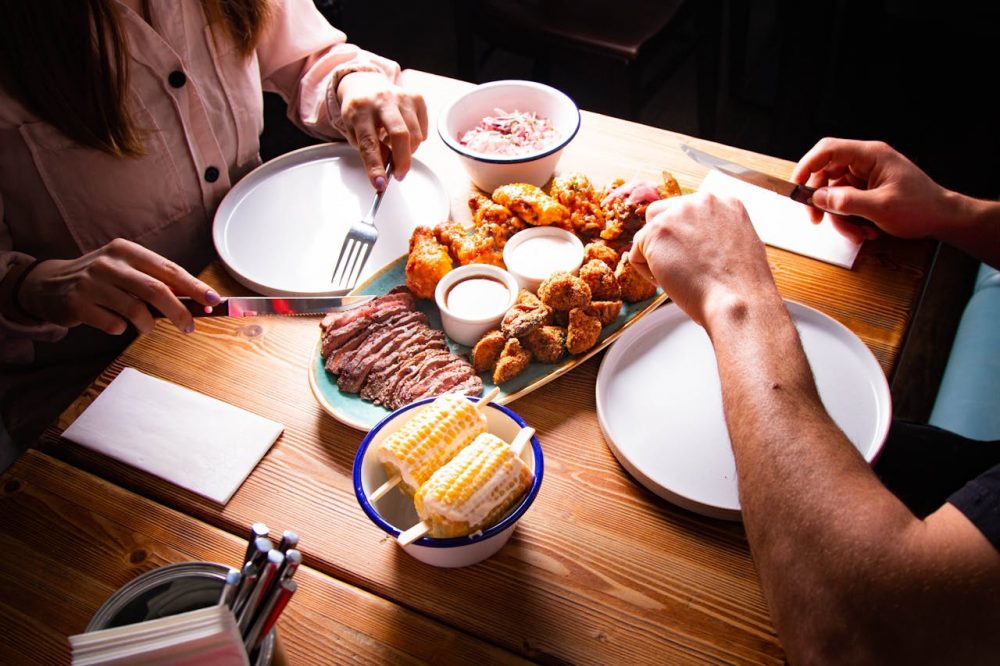
Grocers are facing a new kind of pressure, and it is not just about price. Shoppers still want deals, but they also want food that helps them feel better, live longer, and manage real health goals. Value today is no longer about the cheapest option on the shelf. It is about feeling confident that what goes into the cart supports everyday health.
This shift is changing how grocery stores think, build, and compete. Leading retailers are connecting affordability with nutrition, education, and access. They are proving that health and value do not need to fight each other. When done right, they strengthen each other.
Health Is Now a Spending Decision
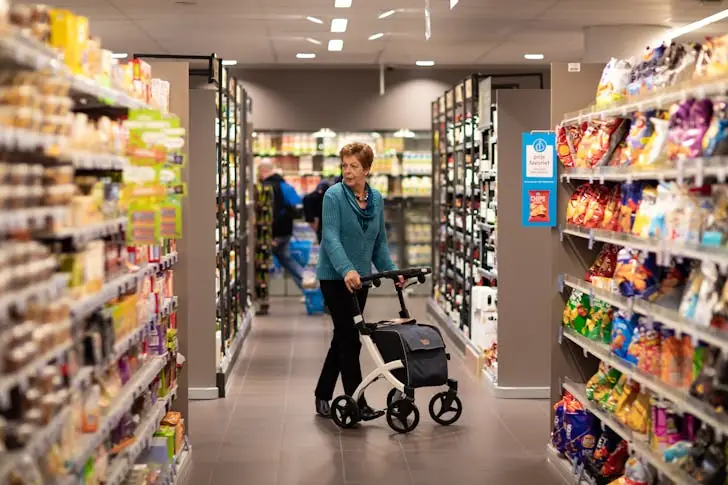
Nearly half of U.S. consumers follow a specific diet, and even more say they want to eat better in the future. That mindset has turned health into a serious business driver.
This trend is also shaped by personalization. The rise of GLP-1 medications has changed how people eat and shop. Protein matters more. Sugar matters more. Portion sizes matter more. Grocers that clearly label products and explain nutritional benefits help shoppers make fast, confident choices without feeling overwhelmed.
The Efforts Are Paying Off
Selling healthy food is not enough anymore. Shoppers want guidance, support, and trust. Grocers that act like health partners earn loyalty that price alone cannot buy. The most successful stores connect food, pharmacy, and nutrition into one clear experience.
In-store dietitians, pharmacy screenings, and smart product pairings all matter. When leafy greens sit next to salad tools, or heart-healthy foods appear near blood pressure stations, the message feels natural. Health becomes part of the shopping flow instead of a separate aisle that shoppers avoid.
Personalization Is Now Powered by Simple Tech
Technology helps grocers meet shoppers where they are. Mobile apps that score nutrition, flag allergens, or highlight diet-friendly items save time and reduce stress. Shoppers want clarity, not lectures. A simple green score or quick protein callout can make a difference.
Personalized offers also build trust. When discounts align with health goals, shoppers feel seen. A shopper focused on reducing sugar should not receive soda deals. Smart personalization turns digital tools into quiet helpers that guide better choices without judgment.
Education Builds Long-Term Trust
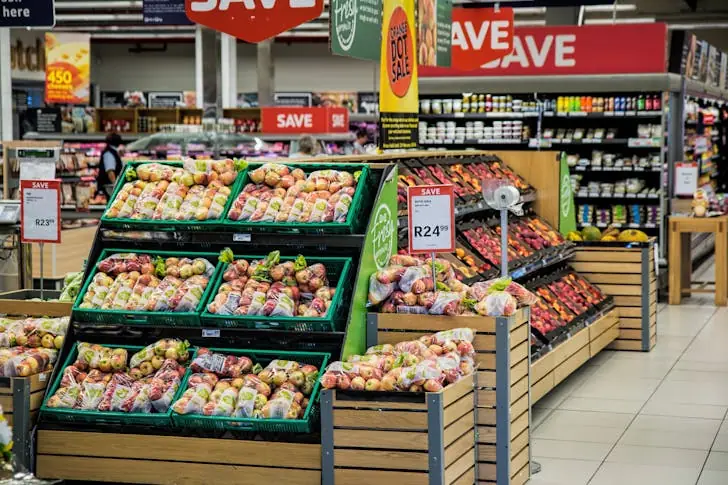
Education works best when it stays practical. Clear explanations of protein needs, sugar limits, or label reading go further than trendy claims. Over time, shoppers begin to see the store as a reliable source, not just a place to buy food.
Private label brands give grocers control over quality and price. They also create a powerful way to deliver health-focused value. Leading retailers design these products with dietitians and food scientists from the start. The goal is simple ingredients and a clear purpose.
Many health-focused private labels now exclude long lists of artificial ingredients. Shoppers notice when labels stay short and readable. Trust grows when brands explain what they leave out, not just what they add.
Private label innovation works best when it matches how people live. Products that support digestion, energy, or immune health solve everyday problems. High-protein and low-sugar items help shoppers adjust to GLP-1 medications or weight management goals.