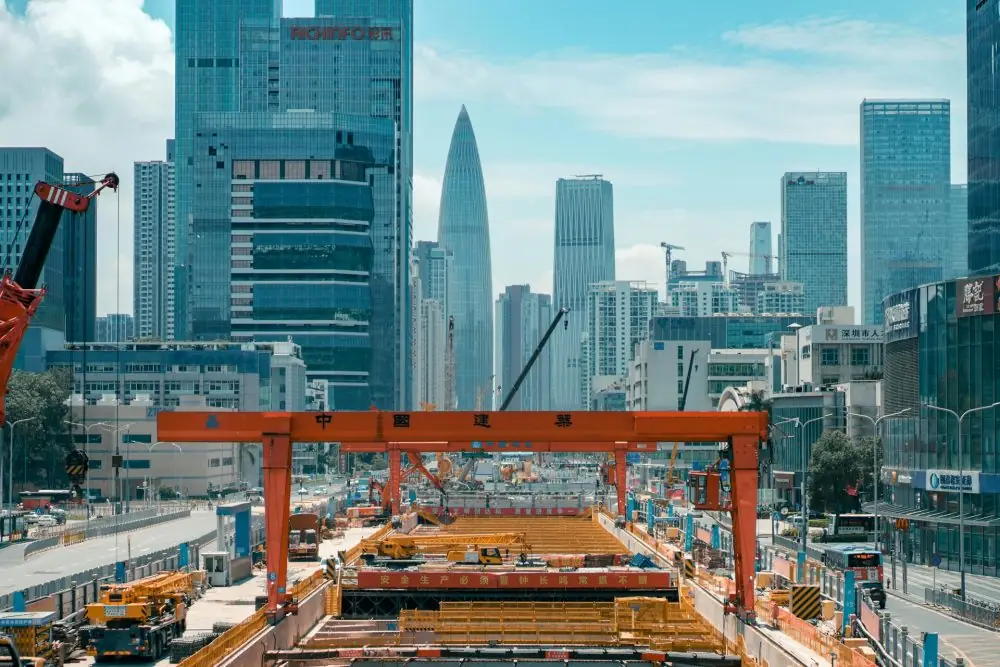
China is drawing a new kind of visitor. Investors, founders, executives, and engineers are traveling across the country to see how quickly its technology sector is changing. Visitors are studying humanoid robots, electric vehicles, artificial intelligence, batteries, chips, and automated production lines that are already operating at scale.
Reports suggest that organized technology tours have become a growing business. Some programs charge thousands of dollars for access to factories, startups, and major industrial hubs.
The interest shows how much China’s image has changed. Foreign companies once viewed the country mainly as a low-cost manufacturing center. Many now see it as a serious source of engineering, product design, automation, and industrial innovation.
Tech Tours Are Turning Into Serious Business
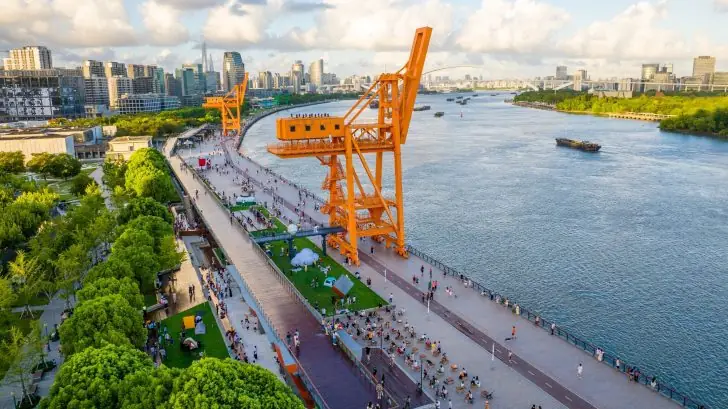
Those trips attract investors, entrepreneurs, and senior executives. Reports suggest that about half of Baiguan’s participants came from Southeast Asia, which shows the interest stretches far beyond the United States and Europe.
Another Shanghai-based operator, GloPen, said inquiries rose 50% in 2026. The company now handles more than 100 single-day corporate tours each month. Chinese American investor Rui Ma has also organized repeated technology tours through Tech Buzz China.
Some visitors are major names from global finance and technology. Reports identify firms such as Dimension, Capital Group, and Thrive Capital among those that have made trips.
Technology podcaster Lex Fridman has also visited. Many other visitors keep their trips quiet because technology ties between China and the United States remain politically sensitive. Industrial tourism has become a much larger business across China. Chinese state media estimates suggest that the sector generated about $17.8 billion in 2025.
That total could rise above 300 billion yuan by 2029. Beijing has also named more than 140 industrial tourism demonstration sites as it promotes factories and research centers as showcases for Chinese progress.
Xiaomi’s electric vehicle factory in Beijing shows how intense that interest has become. More than 250,000 people have visited the plant since March 2024. Entry slots became so popular that some were reportedly resold online for about 2,000 yuan. That is a remarkable sign of how factory floors have become attractions in their own right.
Shenzhen, AI, and Robots Are Pulling Crowds
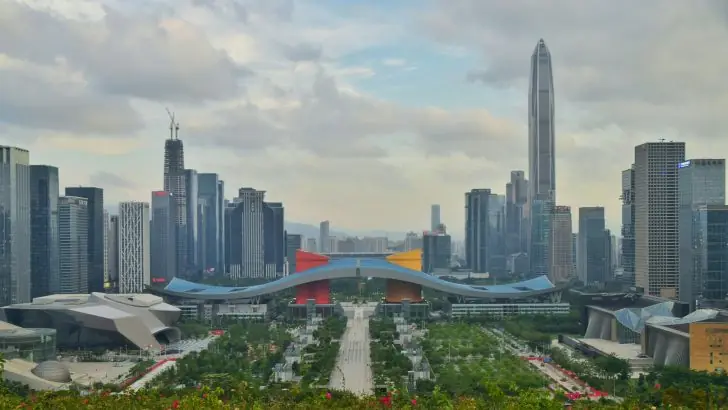
That system now supports fast-moving work in drones, robotics, artificial intelligence hardware, batteries, displays, and smart devices. Foreign founders often visit because they can meet many suppliers within a relatively small area.
Reuters reported that foreign visitor numbers to Shenzhen rose 70% in 2025. The city also recorded more than five million foreign entries through August 2026. Manufacturing consultant Joshua Woodard told Reuters that large WeChat groups now connect people moving between Silicon Valley and Shenzhen. Many use those groups to find suppliers and arrange introductions.
Artificial intelligence has added another reason to make the trip. Chinese firms have shown that they can build competitive models even while facing restrictions on access to the most advanced U.S. chips. DeepSeek helped change outside perceptions of China’s AI sector. Reports confirm that the company has selected CITIC Securities to prepare for a possible domestic listing on Shanghai’s STAR Market.