The search for a longer, healthier life has taken scientists to an unexpected place: the human gut. Hidden inside the digestive system are trillions of bacteria, fungi, and other tiny organisms that work together as the gut microbiome. These microbes help digest food, support the immune system, and even influence the brain.
Researchers now believe the gut microbiome does much more than aid digestion. It appears to shape how people age by affecting inflammation, metabolism, and overall health. Instead of seeing aging as something that simply happens over time, scientists are finding that the gut may help decide how well people grow older.
Your Gut Changes as You Age

Some of these changes are normal, but others can reduce the body’s ability to stay healthy.
Healthy older adults often have a rich and balanced mix of gut bacteria. Their microbiome remains flexible and strong enough to handle changes in diet, illness, and everyday stress. This balance appears to support better health as the years pass.
People with age-related health problems usually show a different pattern. Their gut bacteria become less diverse, and helpful microbes begin to disappear. Harmful bacteria can then become more common, making it harder for the body to protect itself.
Scientists have also studied people who live beyond 100 years. Many centenarians carry higher levels of beneficial bacteria, including Akkermansia, than other older adults. One study even found that a 117-year-old person’s gut looked surprisingly similar to the microbiome seen in much younger people.
Why Inflammation Starts in the Gut
One of the biggest challenges linked to aging is chronic low-grade inflammation. Scientists often call this “inflammaging” because it slowly damages tissues over many years. This ongoing inflammation raises the risk of heart disease, diabetes, memory problems, and many other age-related conditions.
The gut microbiome plays a major role in controlling this process. When harmful bacteria outnumber helpful ones, the gut lining becomes weaker. Tiny substances from bacteria can then pass into the bloodstream and trigger the body’s immune system.
This constant immune response keeps the body in a state of mild inflammation. Even though the inflammation may not cause immediate symptoms, it quietly affects organs and tissues over time. That slow damage can speed up the aging process.
Healthy gut bacteria help prevent this problem by producing short-chain fatty acids, also called SCFAs. These natural compounds strengthen the gut lining, calm the immune system, and reduce inflammation. Scientists see SCFAs as one of the microbiome’s most valuable tools for protecting long-term health.
Researchers are also studying the connection between the gut and the immune system. Changes in the body’s metabolism during aging may affect both immune cells and gut bacteria at the same time. Understanding this relationship could open new ways to slow age-related decline.
Food Has the Power to Shape Your Microbiome

Small improvements often make a meaningful difference over time.
Foods rich in fiber feed beneficial bacteria instead of the person directly. Beans, oats, lentils, wholegrains, fruits, and vegetables give gut microbes the fuel they need to produce SCFAs. These compounds help keep the digestive system healthy while reducing inflammation throughout the body.
Plant foods also contain polyphenols, natural compounds found in berries, cocoa, nuts, herbs, and many colorful fruits and vegetables. Gut bacteria break these compounds into smaller substances that support healthy cells and help limit harmful microbes.
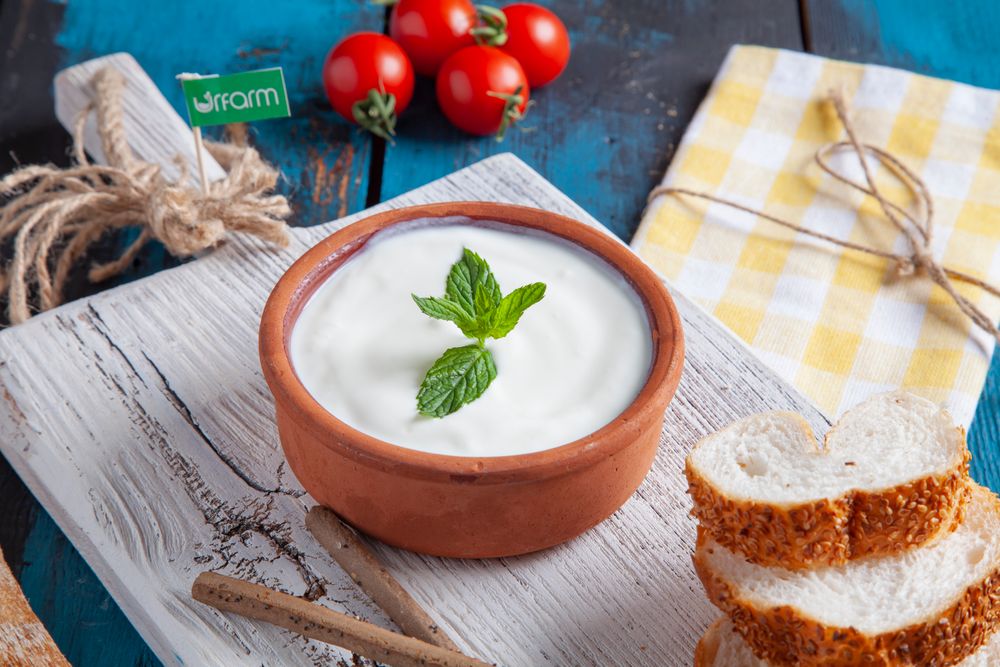
Fermented foods also deserve attention. Yogurt, kefir, kimchi, sauerkraut, and other fermented products contain helpful bacteria that may support a healthier gut. While they are not a cure, they can become part of a balanced eating pattern.