Nutrition matters more than ever as you get older. Your body changes and so should your plate. Energy levels shift, digestion slows down, and your body doesn’t hold onto nutrients the way it used to.
That is why what you eat in your 60s, 70s, and beyond can have a huge impact on how you feel and how well you move through life. From boosting muscle to keeping your brain sharp, here is how to stay on top of your nutrition and feel good doing it.
Boost Protein to Protect Your Muscles
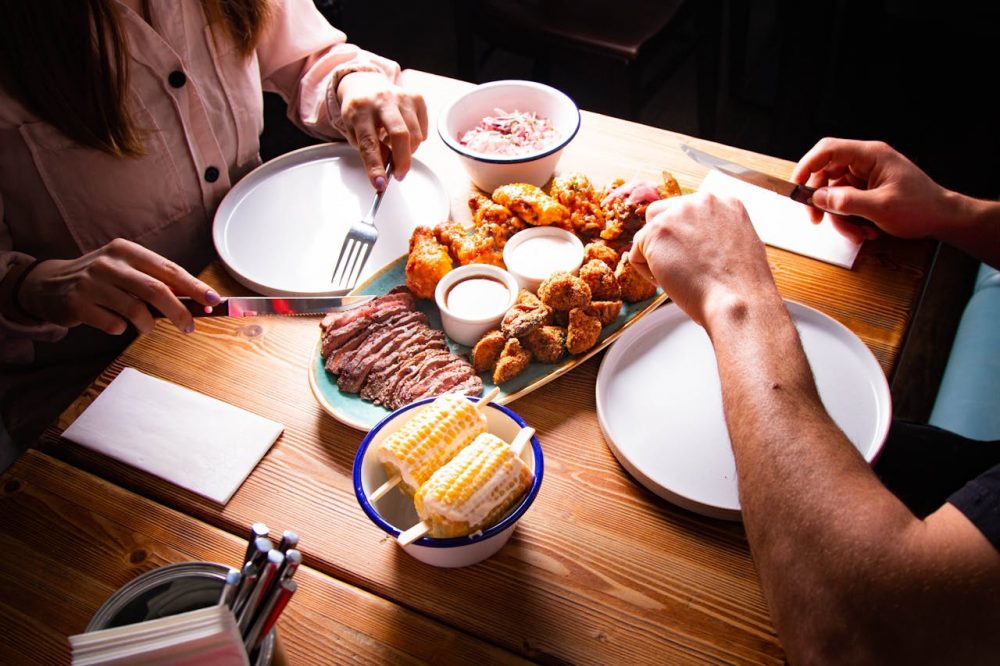
Protein isn’t just for gym rats. As you age, your muscles start to shrink if you don’t feed them properly. Nutrition experts say older adults need more protein than younger folks, not less. Why? Your body doesn’t use it as efficiently anymore, and muscle loss creeps in fast if you are not careful.

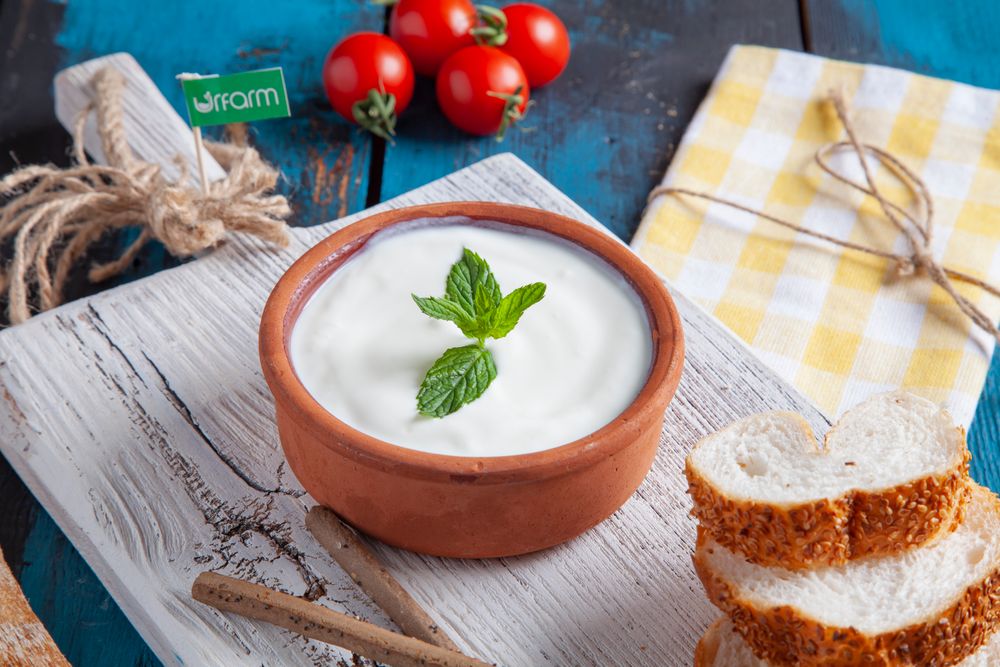
Even low-fat dairy like Greek yogurt counts. A little with every meal helps your muscles stay strong and your body moving the way you want.
Always Stay Hydrated
By the time you feel thirsty, you are already behind. And older adults tend to lose the sense of thirst. So, it is easy to forget water altogether. But your body still needs it, maybe even more than before.
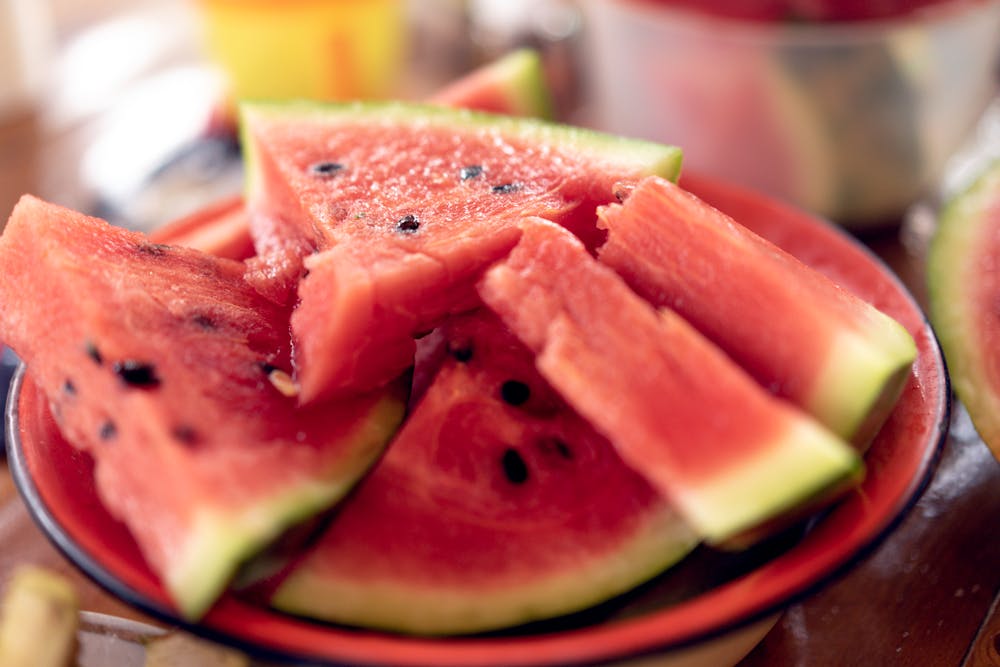
Water keeps your joints cushioned, your digestion smooth, and your brain clear. Dehydration can make you feel dizzy, tired, or confused. Sip water all day, not just with meals. Add a splash of juice or slices of fruit if you need flavor. And don’t count coffee or soda, those don’t hydrate the same way.
Cut the Salt as Much as Possible
Salt sneaks into everything: Bread, soup, even canned veggies. But too much sodium can send your blood pressure soaring, especially as you age. Nutrition labels help. Aim for foods with less than 140mg of sodium per serving.
Cooking at home helps you stay in control. Use herbs and spices instead of salt for flavor. Lemon juice, garlic, or pepper can make meals pop without risking your heart.
Remember, reducing sodium doesn’t mean your food has to taste bland. It just means you get to call the shots.
Get More Vitamin B12
Vitamin B12 is a powerhouse nutrient. It helps keep your brain sharp, your nerves working, and your energy up. But as you get older, your body might not absorb B12 from food as well as it used to.
That means you can get low even if you are eating all the right things.
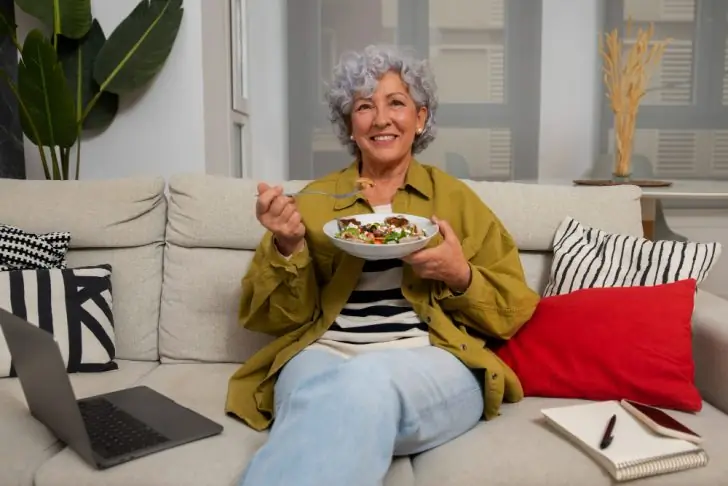
But if you are tired or foggy even with a good diet, talk to your doctor. You might need a supplement to fill the gap. Keeping your nutrition tight helps your mind stay clear and focused.
Eat More Fruits and Veggies
The brighter your plate, the better your nutrition game. Fruits and veggies pack vitamins, minerals, and fiber your body craves, especially as you age. They support digestion, lower your risk of disease, and keep your immune system strong.
Ideally, aim to fill half your plate with produce. Go for leafy greens, berries, carrots, squash, and tomatoes—whatever is fresh and seasonal. Fresh, frozen, or canned (just check for low sodium or no added sugar) all count.
The more variety, the better. Your body will thank you, and your meals will look way more exciting.
Aging well doesn’t mean cutting things out. It means choosing foods that give you more of what your body needs now. Smart nutrition keeps you active, alert, and independent longer.