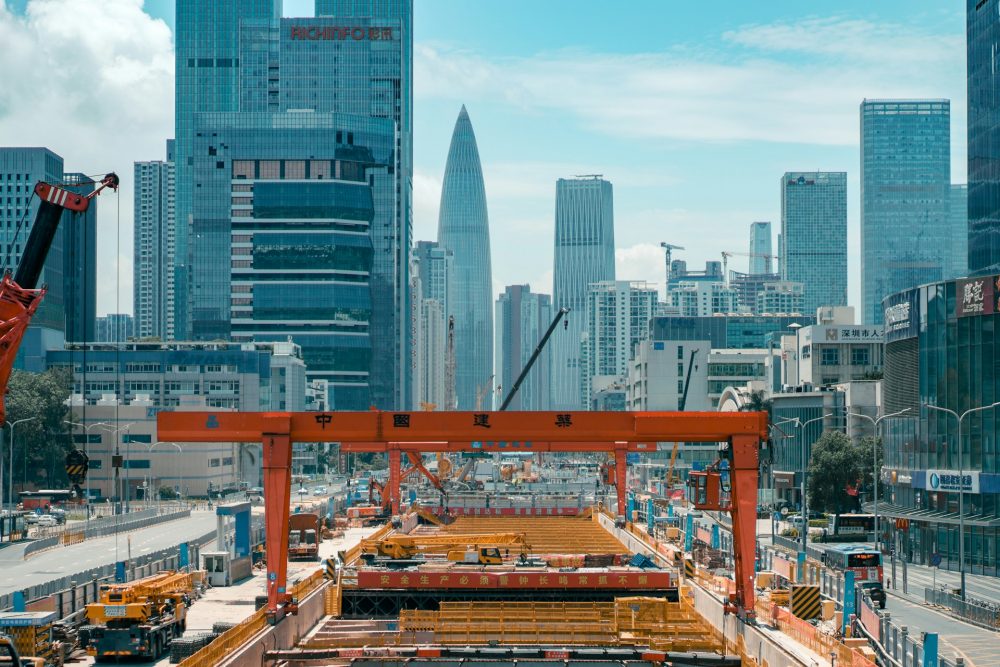
Procurement has changed dramatically over the past few years. Buying products and services is no longer just about comparing prices or negotiating contracts. Businesses now manage global supply chains, rising costs, changing customer demand, and unexpected disruptions that require faster decisions.
Artificial intelligence is helping procurement teams meet those challenges. Instead of replacing people, AI handles repetitive work, analyzes huge amounts of data, and highlights opportunities that might otherwise go unnoticed. Companies can make smarter purchasing decisions while saving both time and money.
AI Speeds Up Everyday Procurement Tasks
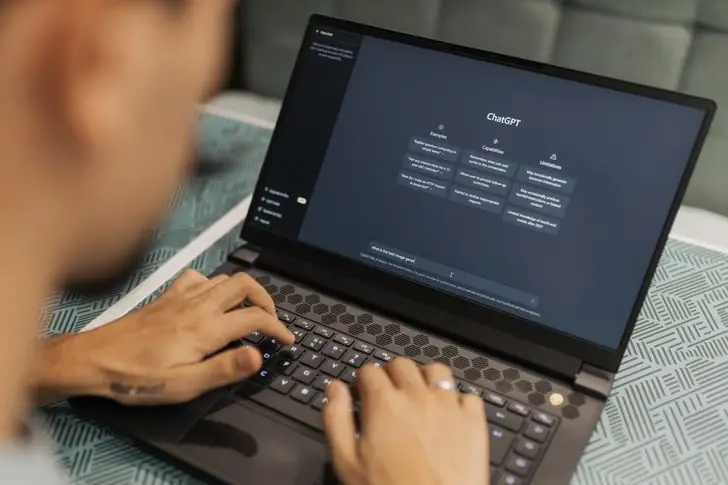
Many of these tasks are repetitive but still require careful attention because even small mistakes can become expensive.
AI helps automate much of that routine work. It can organize documents, compare purchase orders with invoices, flag missing information, and identify possible errors before payments are approved. Employees spend less time on paperwork and more time solving business problems.
Automation also improves consistency. Manual data entry sometimes leads to typing mistakes or duplicate records. AI processes information much faster while reducing the chances of human error. That creates cleaner records and smoother workflows throughout the purchasing process.
Smarter Supplier Management
Choosing the right supplier involves much more than finding the lowest price. Businesses also consider delivery performance, product quality, financial stability, and long-term reliability.
AI analyzes supplier data from many different sources at once. It reviews purchasing history, delivery records, pricing trends, and performance metrics to help procurement teams compare vendors more effectively.
This broader view supports better decision-making. A supplier offering lower prices may consistently deliver late or struggle with product quality. AI helps reveal those patterns before they become larger business problems.
Above all, it can also identify emerging risks. Financial difficulties, shipping delays, or changing market conditions may affect suppliers before problems become obvious. Early warnings allow procurement teams to prepare backup plans and reduce disruptions.
Better Spending Decisions Through Data
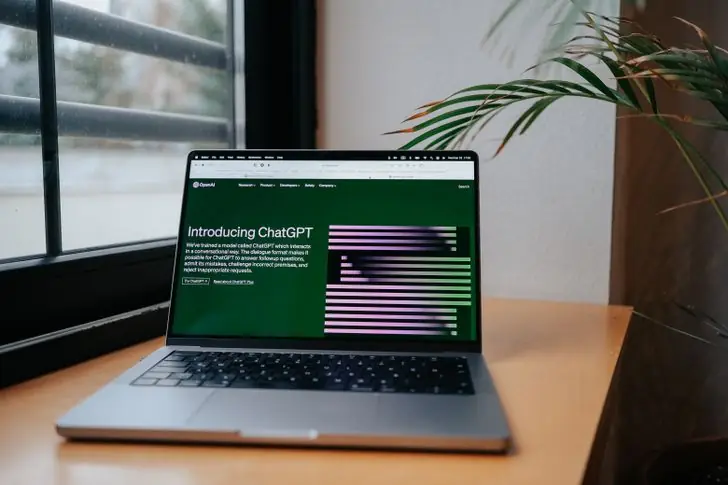
AI quickly analyzes spending across departments, locations, and product categories. It identifies unusual purchasing patterns, duplicate spending, and opportunities to negotiate better pricing with suppliers.
This analysis often uncovers hidden savings. Companies may discover that different departments purchase identical products from several suppliers instead of combining orders under one contract. Consolidating purchases can improve bargaining power and reduce overall costs.
Real-time analysis also helps businesses respond faster to changing market conditions. Procurement leaders no longer need to wait weeks for reports before making important purchasing decisions.
AI Makes Contracts Easier to Manage
Contract management has traditionally required careful reading and detailed reviews. Procurement teams must monitor renewal dates, payment terms, pricing agreements, and legal obligations across hundreds or even thousands of documents.
Artificial intelligence simplifies that process by scanning contracts within seconds. It identifies important clauses, highlights unusual language, and alerts teams before agreements expire.
This saves significant time while reducing risk. Missing a renewal deadline or overlooking an unfavorable contract term can lead to unnecessary expenses. AI provides reminders and identifies details that deserve closer attention.
Contract comparisons also become much easier. Procurement professionals can quickly review similar agreements across multiple suppliers to ensure consistent pricing and favorable terms throughout the organization.
Buying too much inventory ties up valuable cash. Buying too little creates shortages that frustrate customers and interrupt production. Finding the right balance has always been one of procurement’s biggest challenges. And AI fills that much-needed gap.