
For years, the tech industry chased one idea. Build bigger data centers, stack more GPUs, and throw massive computing power at every problem. That strategy worked for a while. AI models grew larger, cloud servers multiplied, and companies burned billions chasing scale.
Now the cracks are showing. Power costs are exploding. AI workloads are becoming harder to manage. Even the largest cloud systems are struggling under the weight of constant inference requests. The future of computing will not belong to machines that simply consume more electricity. It will belong to systems that think smarter, move faster, and waste less energy.
Edge AI Is Replacing Cloud Dependence
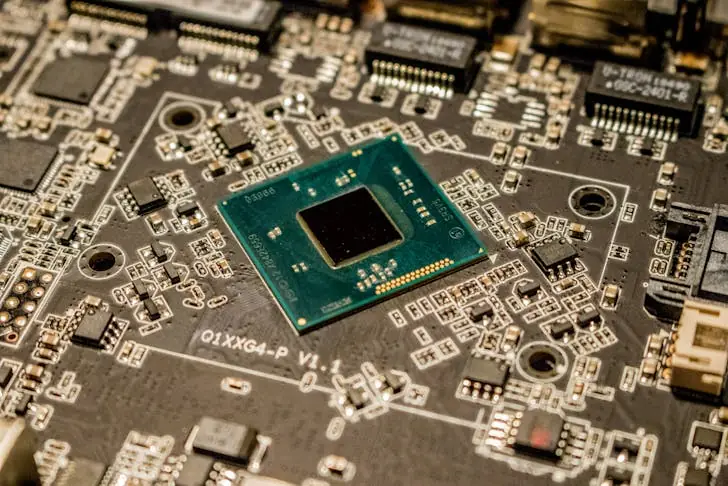
That setup created delays, high costs, and privacy concerns. It also overloaded networks with endless streams of data traffic.
Edge AI changes the equation completely. Instead of sending every task to the cloud, devices now process information locally using specialized neural chips. Modern smartphones already use NPUs, short for neural processing units, to run AI features directly on the device. Voice recognition, photo editing, and translation tools now happen instantly without waiting for a remote server response.
This local processing cuts costs in a major way. Analysts estimate hybrid edge-cloud systems can reduce AI inference expenses by up to 60 percent. That matters because inference has quietly become the biggest cost problem in AI. Training a model is expensive, but running it millions of times every day costs even more.
The impact reaches far beyond smartphones. Wearables, factory robots, drones, and self-driving systems all need fast decision-making without relying on distant servers. A delivery robot cannot freeze while waiting for cloud instructions. A medical device cannot afford network lag during a critical scan. Edge AI keeps those systems fast, responsive, and reliable.
Specialized Chips are Taking Over
The GPU boom helped launch the modern AI race. Companies packed massive clusters of graphics processors into giant data centers because GPUs handled parallel computing well. That worked when AI models needed brute force power above all else.
Now, tech companies are designing custom silicon built for specific AI tasks. Tensor Processing Units, ASICs, and neuromorphic chips are replacing one-size-fits-all hardware. These processors consume less power while delivering stronger performance for targeted workloads.
Neuromorphic chips are especially interesting because they mimic how the human brain processes information. Traditional processors constantly move data back and forth, which burns huge amounts of energy. Neuromorphic systems work differently. They activate only when needed, similar to neurons firing inside the brain.
That efficiency unlocks entirely new possibilities. Tiny AI-powered sensors can run for long periods without draining batteries. Smart glasses can process visual information in real time. Autonomous systems can make decisions while consuming a fraction of the energy used by traditional chips.
Physical AI is Bringing Machines Into the Real World
Instead of only answering questions, these systems interact with physical space. They navigate warehouses, assist surgeons, inspect infrastructure, and support industrial automation.
Spatial computing plays a huge role here. Machines now build detailed maps of the world around them using advanced sensors, depth tracking, and environmental awareness. Computers and humans can share the same spatial reference points in real time.
This technology is pushing virtual and augmented reality into a new phase. The goal is no longer isolated VR headsets with cartoon environments. Companies are building immersive systems where digital objects blend naturally with physical surroundings.
One major sign came from the partnership between Butterfly Network and Midjourney in 2025. Butterfly’s ultrasound on chip technology captures depth and motion data that cameras often miss. Midjourney plans to use that information to improve AI-generated video and 3D environments.