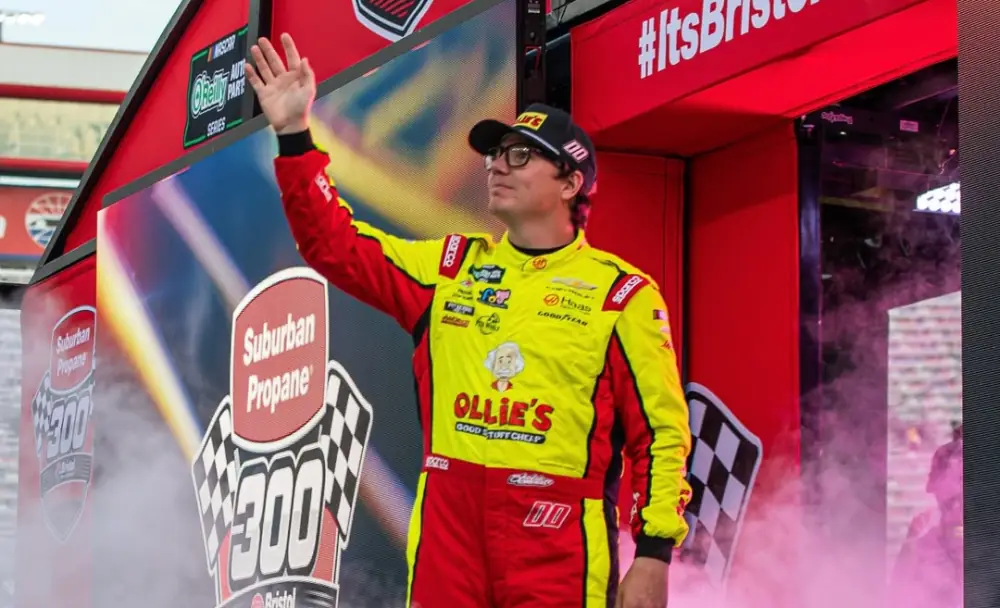
Modern motorsports are no longer just about horsepower, tire strategy, and fast pit stops. Today’s drivers are constantly searching for new ways to sharpen performance, improve recovery, and stay mentally locked in during long races.
That search has led NASCAR driver Sheldon Creed to an unusual new tool. It is not a new training program or fitness device. Instead, it is a light therapy headset designed to support brain health and cognitive performance.
The 28-year-old racer’s latest partnership with neurotechnology company Vielight is attracting attention across the racing world. The collaboration combines cutting-edge wellness technology with one of the most mentally demanding sports on the planet. It also highlights a growing interest in brain performance as the next frontier in elite athletics.
What Will the Sponsorship Mean?
The partnership extends beyond marketing. Creed is actively using the company’s light therapy headset as part of his preparation and recovery routine. The device has become part of his training process in the days leading up to races.
That practical connection makes the agreement stand out. Instead of simply promoting a product, Creed is testing the technology himself and evaluating its potential impact on performance.
For athletes operating at the highest level, even small improvements can matter. Better focus, quicker reactions, and improved recovery can influence results in sports where fractions of a second often determine success.
A Peek Into the Light Therapy Headset
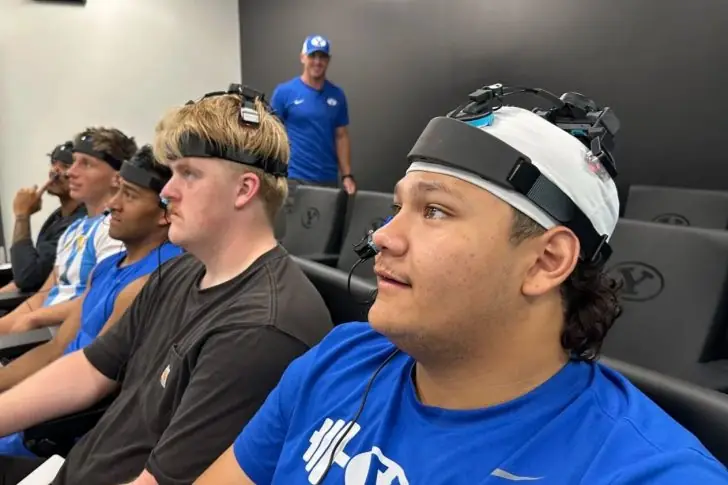
At first glance, the Vielight device looks surprisingly simple. The headset wraps around the head like a lightweight strap. Small light-emitting components are positioned at specific points around the skull. Another small attachment fits comfortably inside a nostril. While the design may appear unusual, each component serves a specific purpose within the system.
View this post on Instagram A post shared by Haas Factory Team (@haasfactoryteam)
The technology is based on a process known as photobiomodulation. This involves exposing targeted areas of the body to specific wavelengths of light. Researchers have spent years studying how these wavelengths interact with cells and tissues.
Unlike traditional heat-based infrared devices, the Vielight headset uses near-infrared light at levels designed to reach deeper structures without creating surface burns. The goal is not to generate heat. The goal is to stimulate cellular activity.
According to the company, the light reaches the brain and interacts with mitochondria, the structures responsible for producing energy within cells. By supporting mitochondrial function, the therapy aims to encourage cellular repair and improve overall performance.
Why Brain Performance Matters in NASCAR
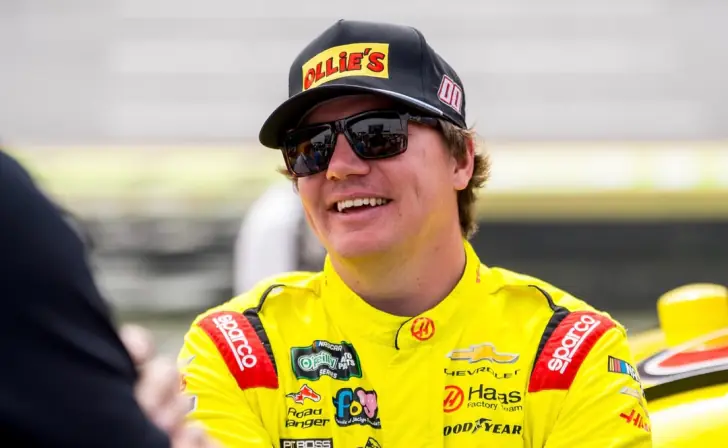
A race requires constant concentration. Drivers monitor competitors, communicate with teams, adjust strategy, and react instantly to changing track conditions. A brief lapse in focus can have major consequences.
Reaction time is especially important. Drivers make hundreds of split-second decisions during a race. The ability to react quickly and accurately can influence passing opportunities, accident avoidance, and overall performance.
Mental fatigue also becomes a factor. Long races place sustained demands on the brain. Maintaining focus from the opening lap to the checkered flag requires significant cognitive endurance. That is why technologies aimed at supporting brain health are becoming increasingly interesting to athletes and teams.
Researchers are also investigating possible effects on blood flow, inflammation, and neurological function. While the field continues to evolve, early findings have generated considerable interest among scientists and performance specialists.