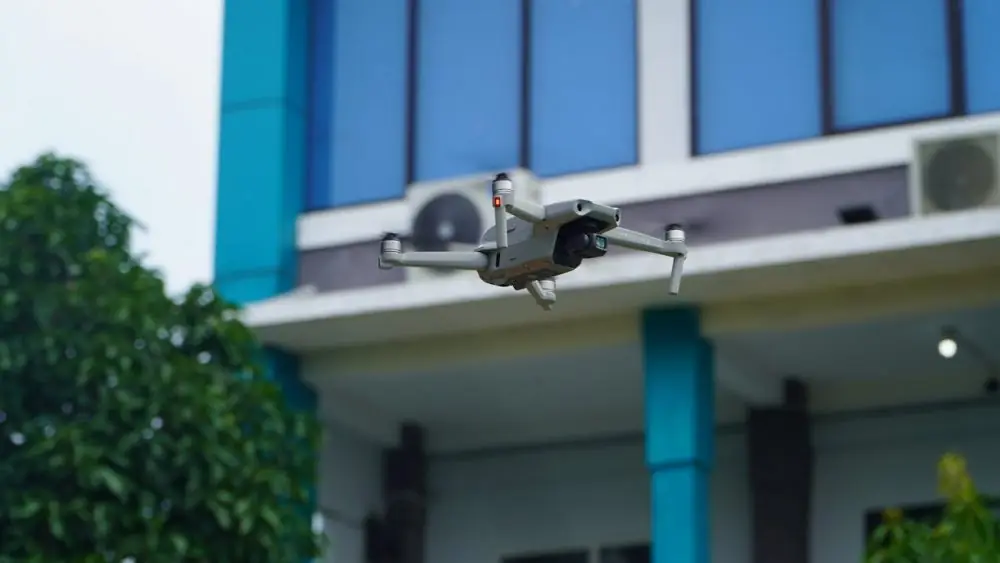
Drones, or unmanned aerial vehicles (UAVs), are becoming increasingly popular. Whether used for photography, agriculture, or recreational purposes, drones open up new possibilities and add new dimensions to so many areas of our lives. However, their growing presence raises important legal questions, especially regarding privacy. So, can you fly a drone over private property? This question isn’t straightforward and requires understanding various regulations and privacy considerations.
Can You Fly a Drone Over Private Property?
A combination of federal, state, and local regulations determines the legality of flying a drone over private property. While the Federal Aviation Administration (FAA) sets the overarching rules for drone use in the United States, drone operators need to be aware of nuances at the state and local levels.
Federal Aviation Administration (FAA) Regulations
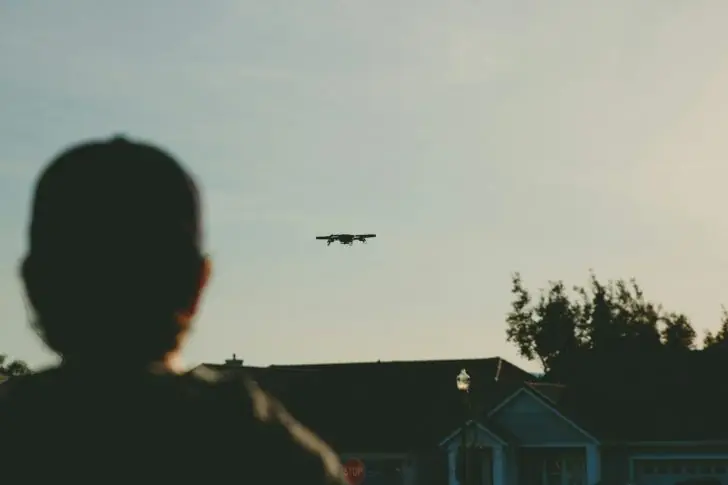
The FAA’s Part 107 regulations govern the use of drones for both recreational and commercial purposes. According to these regulations, flying over private property isn’t explicitly prohibited as long as you follow the guidelines. These include maintaining a visual line of sight with the drone, flying at or below 400 feet above ground level, and avoiding restricted airspace.
Although FAA rules are clear about operational aspects, they don’t directly address the issue of flying over private property. This leaves room for interpretation, particularly when it comes to privacy and property rights.
State and Local Laws
State and local governments may impose additional restrictions on drone flights over private property. These laws can vary significantly from one area to another. In some regions, you may need a permit to fly over residential areas, or there might be specific no-fly zones that extend over private property. Therefore, it’s crucial to check with local authorities before taking your drone out for a flight.
Privacy Considerations
Even when federal and local regulations are followed, privacy concerns remain significant. People have a reasonable expectation of privacy in their backyards and homes. Flying a drone over someone’s property without their consent could lead to accusations of trespassing or invasion of privacy. Capturing images or videos in areas where individuals expect privacy, such as backyards, can result in legal consequences.
The Consequences of Flying a Drone Over Private Property
Operating a drone over private property without permission can have several potential legal and social consequences. Understanding these risks is essential for any responsible drone operator.
Legal and Financial Penalties
Flying a drone over private property without proper authorization can be considered trespassing, which can lead to legal action. Depending on state laws, this could result in fines, misdemeanor charges, or even lawsuits for invasion of privacy. If a lawsuit is filed, the drone operator might be liable for compensatory damages, which could be substantial.
Liability for Property Damage
Drones are sophisticated devices, but they can still cause accidents. If a drone crashes into someone’s property, the operator could be held financially responsible for any damages. This could include repair costs for damaged structures, vehicles, or other personal property. Additionally, if the drone captures unauthorized images or videos, the operator may face legal challenges related to privacy violations.
Community Relationship Impact
Flying a drone over someone else’s property without permission can lead to strained relationships with neighbors. People value their privacy, and unauthorized drone flights can make them feel uneasy or violated. This can create tension within the community, leading to conflicts that could have been avoided with a more thoughtful approach. Maintaining good relationships with neighbors involves respecting their privacy and airspace.
Tips for Flying Over Neighboring Property
Flying a drone near or over neighboring properties requires respecting privacy and following regulations. Here are some practical tips to help you navigate this complex issue:
1. Obtain Permission
Always ask for permission before flying over someone else’s property. This simple request prevents misunderstandings and demonstrates respect for privacy. Gaining consent fosters positive relationships with neighbors. It’s a proactive step that ensures everyone feels comfortable with your drone activities.
2. Maintain a Safe Distance
Keep your drone safe from people, homes, and structures. This reduces the risk of accidents that could cause damage or injury. It also shows consideration for others’ privacy. Maintaining distance helps you avoid potential conflicts and legal issues.
3. Follow Airspace Regulations
Stay informed about local airspace regulations, including no-fly zones and temporary restrictions. Compliance with these rules is crucial for safe and legal drone operations. Understanding these regulations helps you avoid penalties. Always check for updates before flying your drone.
4. Use Privacy Filters
If your drone has a camera, use privacy filters when flying near private property. This precaution prevents accidental capture of private images or videos. It’s a respectful way to avoid invading others’ privacy. Privacy filters help you maintain a responsible and neighbor-friendly approach.
5. Respect Privacy Expectations
Be mindful of privacy by avoiding flights that could intrude on personal space. Recognize that people have a right to privacy in their homes and yards. Promptly delete any recordings made unintentionally. Respecting privacy expectations builds trust and reduces the risk of legal issues.
6. Consider Privacy Fencing
Respect privacy fences by avoiding flights over or near them. These barriers are meant to protect personal spaces from outside view. Adjust your flight path to maintain these privacy boundaries. This approach ensures you respect your neighbors’ efforts to maintain their privacy.
7. Noise Control
Limit drone noise, especially in residential areas. Avoid flying your drone early in the morning or late at night. This helps prevent disturbing your neighbors and maintains community peace. Keeping noise levels down shows consideration for those living around you.