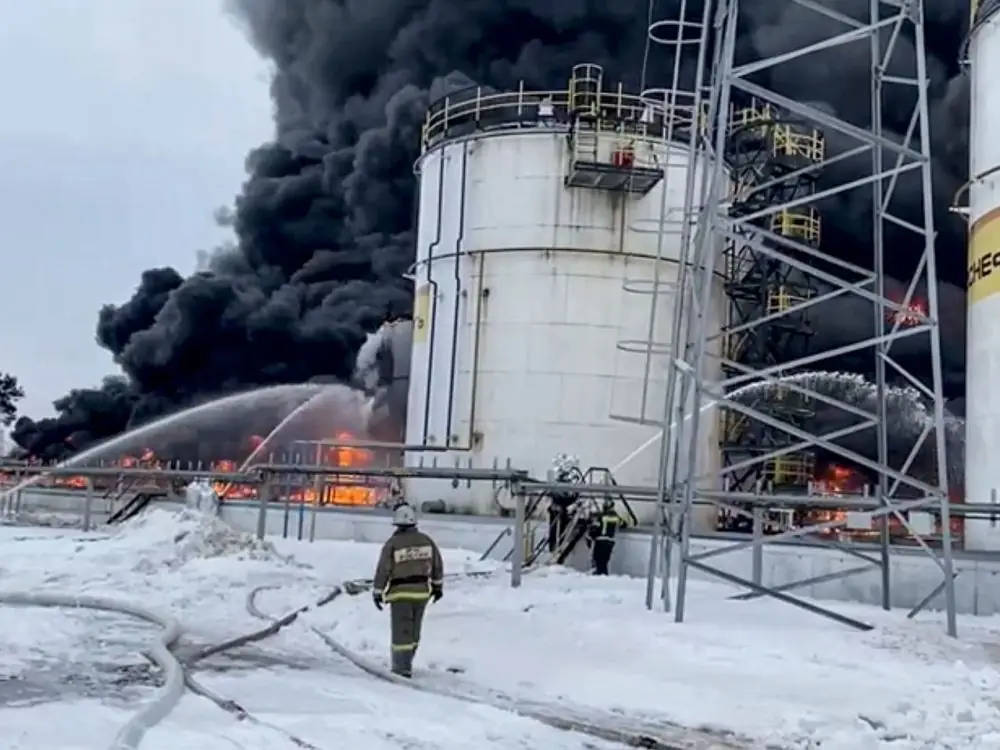
The recent fire at Novatek’s Ust-Luga fuel export terminal, a critical node in Russia’s energy export network, has sent shockwaves through the global energy markets. Amidst rumors of a Ukrainian drone attack, the incident raises significant questions about the security of energy infrastructure and the ongoing conflict’s broader implications.
Russia’s largest liquefied natural gas producer Novatek found itself in a challenging position following a fire at its Ust-Luga complex. This facility, crucial in processing and shipping various petroleum products, now faces an operational halt. The suspension of activities at this vital hub is not just a logistical issue. It is a strategic setback for Russia’s energy export capabilities.
The Strategic Importance of Ust-Luga
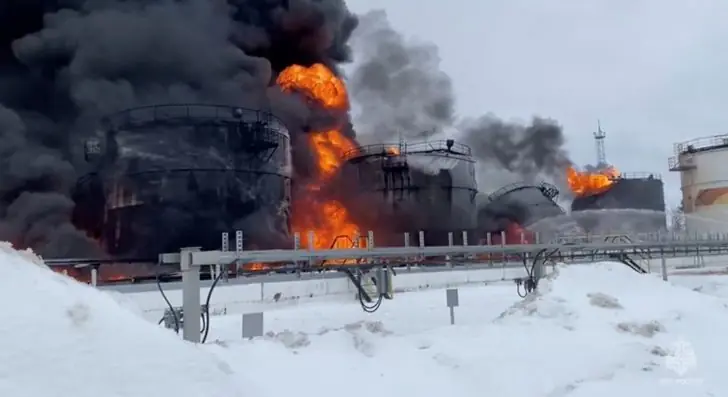
Located in the Gulf of Finland, the Ust-Luga complex is more than a mere industrial facility. It is a linchpin in the global energy supply chain, processing light oil into products like naphtha, kerosene, and diesel. The significance of Ust-Luga extends beyond Russia’s borders, influencing energy markets worldwide.
The repercussions of this incident are far-reaching. The immediate concerns revolve around the length of the disruption and its effect on tanker traffic and global energy prices. The uncertainty shrouding the event has already begun to ripple through international markets, raising concerns about supply stability and price volatility.
Security Response: A Region on Edge
Following the fire, the Leningrad region, encompassing Ust-Luga, has heightened its security measures. Authorities have mandated a robust response to any aerial threats, particularly drones. Thus, this indicates the seriousness with which Russian officials are treating the situation.
Ukrainian media sources have stirred the pot by suggesting that the fire was a result of a drone attack orchestrated by Ukraine’s security services. However, this claim remains unconfirmed, with international news agencies like Reuters unable to verify these reports.
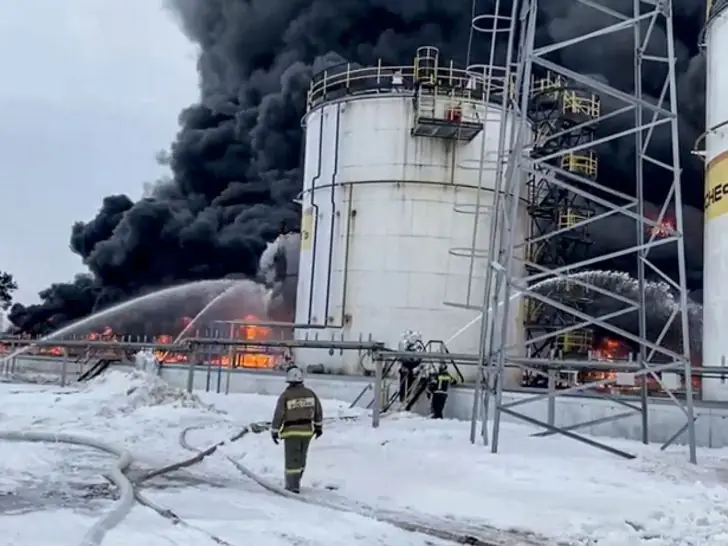
Governor Alexander Drozdenko confirmed there were no casualties at the terminal, with all personnel having been safely evacuated. The fire, which damaged storage tanks and a pumping station, has been contained. But the long-term implications of the damage remain to be seen.
A New Battlefield Dynamic?
If these speculations are true, it would mark a significant escalation in the Ukraine-Russia conflict. It would imply Ukraine’s capability to strike deeper into Russian territory, potentially altering the conflict’s strategic landscape. Such an operation would also raise questions about the efficacy of Russian air defenses around vital infrastructure.
This incident, coupled with a reported Ukrainian artillery strike in eastern Ukraine that resulted in civilian casualties, threatens to escalate the ongoing conflict. These events could lead to more extensive Russian military responses, prolonging a war that already seems to have no end in sight.
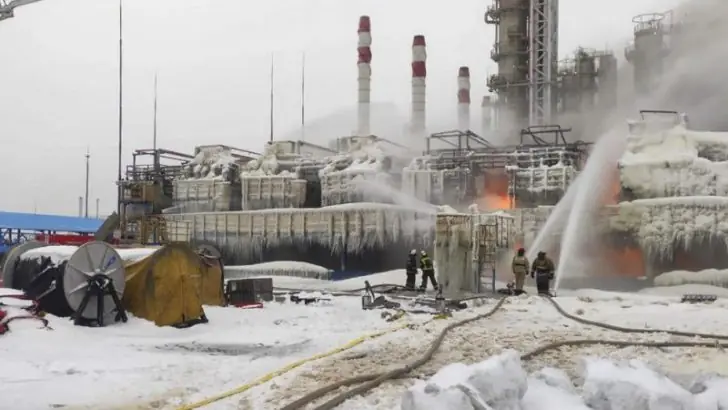
In a carefully worded statement, Novatek referred to the fire as a result of “external influence.” A term that adds a layer of mystery to the event. This statement hints at possible foul play but stops short of direct accusations. Thus, it reflects the sensitive nature of the incident.
Beyond the Fire: Broader Implications and Future Challenges
The Ust-Luga incident is more than an isolated event in Russia’s energy sector. It is a symptom of the broader vulnerabilities in global energy infrastructure. The potential for conflict to disrupt critical supply chains highlights the need for increased security and resilience in the energy sector.